

Single deck blackjack rules and payouts matter because the math shifts fast when every card counts. For anyone sitting down at a Sydney venue or checking money-train-3-au.com a digital table, the difference between a fair payout and a slow-burning leak is in the details. This piece walks through how a single-deck game actually runs, what the pay structure means for your bankroll, and where the practical risks sit so you can decide if it suits your style.
How a Single-Deck Table Actually Works

A single-deck table runs on the same basic aim as any blackjack game: beat the dealer without going over 21. What changes is the feel of the decisions, because you are watching one physical deck turn over rather than a shoe with multiple packs mixed in. In an Australian context, venues will usually display responsible-gambling signage and helpline numbers near the tables, and that same expectation carries into well-run online rooms that serve adults 18+.
The core flow is familiar. You place a bet, the dealer deals two cards to each hand and one to themselves, then players decide whether to hit, stand, double, or split. The dealer then completes their hand using fixed house rules, usually standing on 17. Where single deck earns its reputation is in the pacing and the card memory. Fewer cards in play means each decision carries a bit more weight, so the rhythm can feel more deliberate than a busy multi-deck shoe.
From a product and delivery perspective, I have seen similar operational problems in fintech and wagering workflows: small rule differences compound into very different user outcomes once volume picks up. A single-deck table is the same kind of governed system. The rules look simple, but the edge comes from consistency, payout structure, and how the table handles the moments that matter most.
Rules, Payouts, and the Small Details That Move the Edge
The Deal, the Hands, and the Standard Moves
At most single-deck tables, you get two cards face up and the dealer shows one card face up with a hole card tucked down. If your initial two cards total 21, that is a natural blackjack and it usually resolves immediately against the dealer’s upcard. Players can hit to take more cards, stand to lock the hand, double down on the first two cards for one extra card and a doubled stake, or split matched ranks into separate hands where the rules allow it.
The exact options depend on the house rules posted at the table. Some single-deck games allow doubling on any two cards, others restrict it to totals of 9, 10, or 11. Splitting rules can also vary, especially on tens and aces, and re-splitting may or may not be permitted. These are not cosmetic details. In a single-deck environment, the restrictions change how often you can capitalise on a strong starting position, so it pays to read the felt before you put money down.
Blackjack Payouts and Why 3 to 2 Still Matters
The headline payout is the blackjack bonus. The classic rate is 3 to 2, meaning a $10 bet returns $15 in profit plus the original stake. That matters because the alternative, 6 to 5, sounds close on paper but quietly raises the house edge over time. On a $10 blackjack, 6 to 5 pays only $12 profit, and that gap adds up across a session.
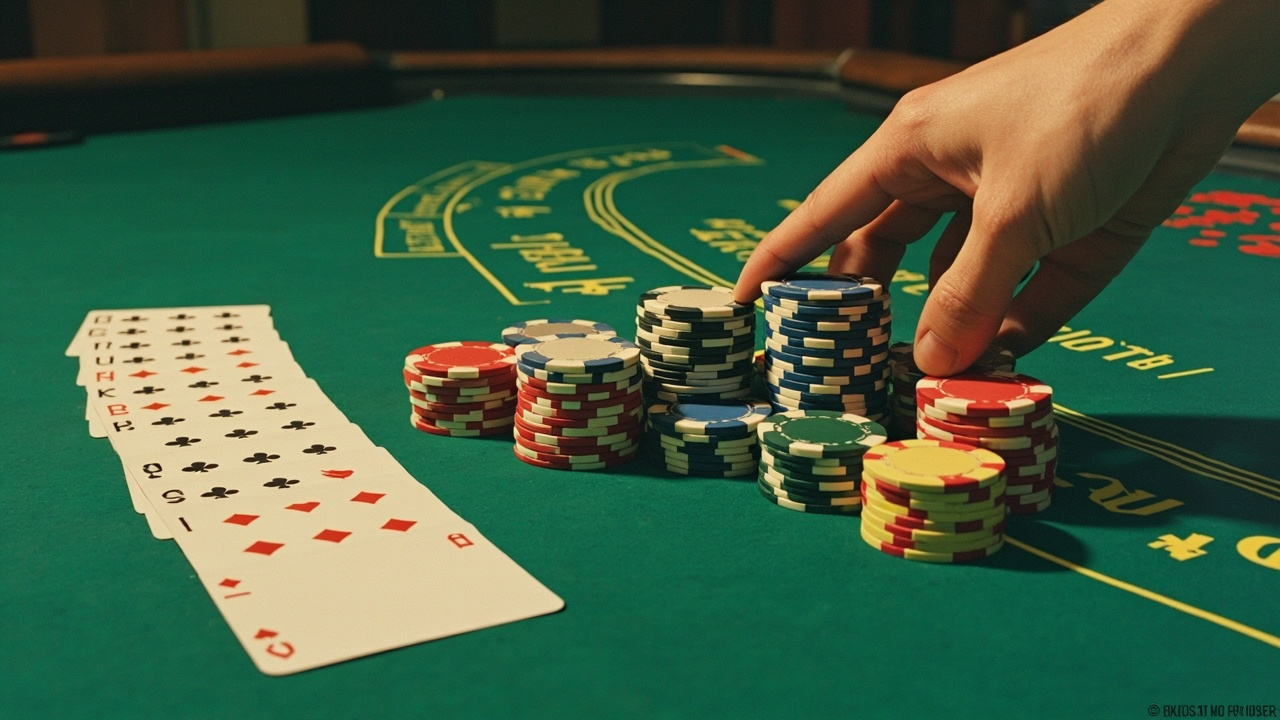
In my experience building governed delivery flows for commercial products, the nasty surprises usually come from small rate changes that look harmless in isolation. Blackjack payouts work the same way. A table that shifts from 3 to 2 to 6 to 5 is not just tweaking a number; it is changing the economics of every natural you hit. If you are comparing tables in a Sydney club or weighing a digital single-deck room, the payout on blackjack is one of the first things worth checking because it frames the rest of the maths.
Splitting, Doubling, and the Hands That Change the Session
Splitting and doubling are where single-deck play can become more tactical. A pair of eights against a dealer 5, for example, is a very different decision in one deck than in a shoe, because the remaining card mix is more visible to an attentive player. Doubling down on 11 can be attractive, but only if the table lets you do it with the hands you actually hold.
There is also the human side of the table. Slow-playing, which means disguising a strong hand as a weak one, is more of a live-table habit than a digital one. In a physical room, it can affect how others read the shoe and how the dealer proceeds, though it does not change the underlying odds. What it does highlight is that single-deck blackjack is not just about your cards; it is about pace, attention, and how much information you are willing to track without overreading the situation.
| Feature | Typical single-deck setup | Why it matters |
|---|---|---|
| Blackjack payout | Usually 3 to 2, sometimes 6 to 5 | 3 to 2 keeps the maths friendlier for the player |
| Dealer 17 | Often stands on soft 17 | Changes how often the dealer improves late |
| Doubling | May be any two cards or restricted totals | Affects how often you can press a strong hand |
| Splitting | Often allowed on pairs, with limits | Determines how many hands you can build |
| Resplitting | Varies by venue or room | Changes how you handle repeated pairs |
Who This Fits, and Where the Risk Sits
Single-deck blackjack suits players who like a compact, attentive game and are comfortable treating each session as a managed bankroll rather than a loose night out. It is not the right fit for someone chasing fast, high-variance action without much regard for the posted rules, because the same features that make single deck interesting also make bet sizing matter more.
The risk of ruin rises as bets grow relative to a player’s bankroll, and that is the practical warning behind all the rule talk. A table with a higher minimum can feel manageable for an hour and then become awkward fast if the cards turn against you. That is where the everyday usability of the game meets the discipline side: the rules are only part of the story, and your staking plan is the other part.
For an Australian adult 18+, the appeal is often the clarity. Fewer cards, simpler memory work, and a payout structure you can check in minutes. If you are the sort of player who wants a game you can read quickly and play thoughtfully, single deck has a clean appeal. If you prefer a more anonymous, lower-attention shoe game, a multi-deck table may suit you better.https://promocodesfairgo.org
If you want a broader read on how deck count changes the feel and strategy, six-deck blackjack strategy for smarter casino play is a useful companion piece.Six-Deck Blackjack Strategy For Smarter Casino
What to Check Before You Sit Down
Before you put money on the felt, confirm the blackjack payout, the doubling and splitting rules, and the dealer’s soft-17 rule. Those three items tell you more about the table than the decor ever will. Keep your stakes in line with a bankroll you are comfortable using, and treat the game as a governed session rather than an open-ended one.
Single deck blackjack rules and payouts are appealing because they are compact and readable, but the real fit comes down to whether you want that tighter, more attentive pace and whether you are willing to manage your bets accordingly. For the right player, it is a clean, practical game. For anyone else, it is worth looking for a table whose rules and payouts match the way you actually want to play.